Connecting Card Payments to Crypto Alternatives for Activating No Deposit Incentives Across Gaming Software Ecosystems
Geschrieben von Jordan Schulz · 7.10.2026
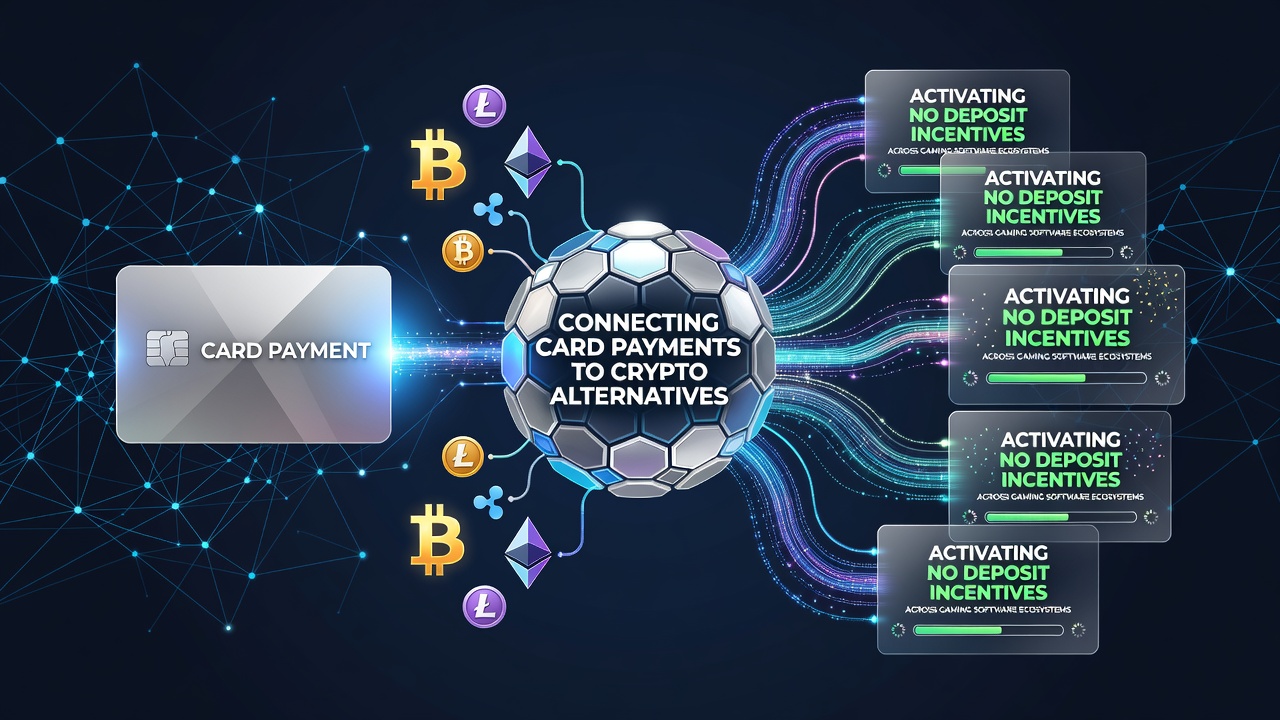
Connecting Card Payments to Crypto Alternatives for Activating No Deposit Incentives Across Gaming Software Ecosystems
Payment systems in gaming software ecosystems continue to evolve as operators seek efficient ways to link traditional card transactions with cryptocurrency alternatives, and this connection supports the activation of no deposit incentives across multiple platforms. Data from industry reports indicates that hybrid models allow users to initiate funding through established card networks before transitioning to digital assets for bonus eligibility, while software providers integrate these pathways to streamline verification processes. In October 2026, several major ecosystems recorded measurable shifts toward such combined methods, with transaction volumes reflecting broader adoption patterns documented by regulatory filings and operator disclosures.
Card Payment Foundations in Gaming Platforms
Traditional card networks remain central to initial account setup and verification steps in many gaming environments, and they provide the baseline data points that crypto alternatives then build upon for incentive distribution. Processors handle authorization sequences that confirm user details before any bonus codes activate, and this step ensures compliance with regional standards enforced by bodies like the Nevada Gaming Control Board. Observers note that card-based entries often serve as the entry point for no deposit offers because they deliver immediate identity checks that crypto wallets alone cannot always replicate in the same timeframe.
Software ecosystems from various providers coordinate these card verifications with backend systems that flag eligible accounts for subsequent crypto conversions, and the handoff occurs once the initial card authorization clears. Figures reveal that platforms processing higher card volumes in early 2026 showed faster bonus rollout times when paired with crypto rails, according to aggregated operator data. Those who've studied transaction logs across multiple jurisdictions report that card-to-crypto bridges reduce friction in regions where direct crypto onboarding faces additional documentation requirements.
Crypto Alternatives and Their Integration Points
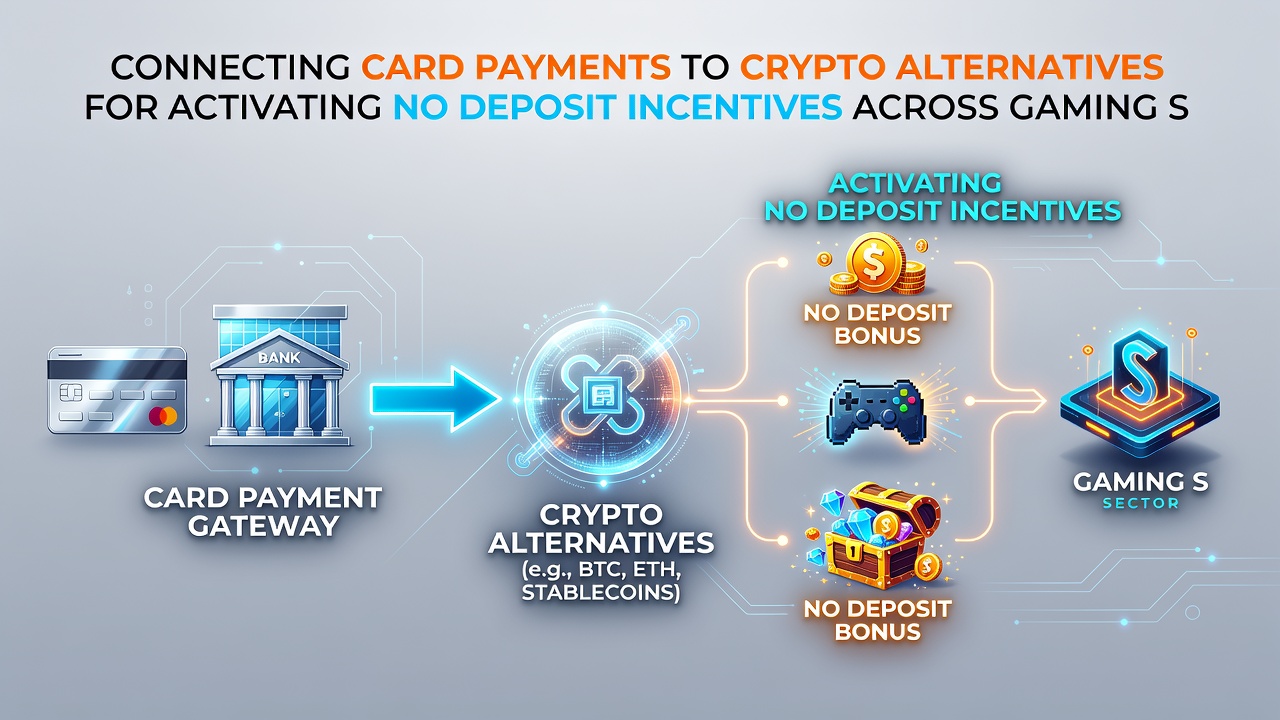
Cryptocurrency options enter the flow after card verification completes, and they function as the delivery mechanism for no deposit incentives that card networks alone cannot distribute directly. Platforms convert verified card data into wallet addresses or stablecoin credits, and this conversion activates bonus balances without requiring separate deposits from the user. Research from academic studies on digital finance in entertainment sectors shows that such alternatives expand access in markets where card issuers impose restrictions on gaming-related charges.
Integration occurs through API connections that gaming software maintains with both card processors and blockchain networks, while automated scripts handle the mapping of verified identities to crypto accounts. In October 2026, updates to several ecosystem protocols improved these API handshakes, resulting in reduced latency between card approval and crypto credit issuance. Experts have observed that stablecoin variants prove particularly useful here because they maintain value parity during the brief window needed for bonus activation.
No Deposit Incentive Activation Mechanics
No deposit incentives rely on verified payment pathways to prevent duplicate claims and ensure single-account eligibility, and the card-to-crypto connection supplies the necessary audit trail. Systems first log the card authorization, then trigger crypto wallet creation or linkage, and finally credit the incentive once both steps confirm. Data indicates that this sequence lowers instances of bonus abuse compared with crypto-only onboarding that skips initial card checks.
Software ecosystems apply rule sets that recognize combined payment histories, and these rules grant incentives only after the card verification layer completes. European Gaming and Betting Association analyses from mid-2026 documented higher retention rates among accounts that followed card-initiated crypto paths for their first no deposit offers. The process continues with ongoing monitoring that flags any subsequent card or crypto activity that might affect bonus terms.
Cross-Ecosystem Compatibility and October 2026 Trends
Different gaming software environments achieve compatibility by adopting standardized data formats for card and crypto transaction records, and this standardization allows incentives to transfer across platforms when users migrate accounts. In October 2026, several providers released compatibility patches that aligned their systems with updated blockchain protocols, and these changes facilitated smoother incentive activation for users moving between ecosystems. Regulatory filings from Canadian authorities around the same period highlighted increased cross-border activity supported by these hybrid payment links.
Operators track performance metrics that compare pure card, pure crypto, and combined approaches, and the combined routes consistently show higher completion rates for no deposit activations. Those monitoring October 2026 reports note that ecosystems incorporating both payment types processed larger numbers of eligible accounts without extending verification timelines. The connections also support compliance reporting required by various regional oversight groups, since card records supply the identity layer while crypto transactions provide transparent ledger entries.
Conclusion
Hybrid payment architectures that connect card authorizations to crypto alternatives continue to shape how no deposit incentives activate across gaming software ecosystems, and October 2026 data confirms measurable operational improvements in verification speed and eligibility tracking. These systems maintain compliance through layered checks while expanding options for users who prefer digital asset handling after initial card confirmation. Ongoing protocol refinements support broader compatibility, and transaction records from regulatory submissions demonstrate sustained usage of these integrated pathways.